
Magic: The Gathering (MTG) isn’t just a card game-it’s a universe of strategy, synergy, and color-coded gameplay. Each color represents unique abilities, playstyles, and philosophies. But when colors combine, they create new possibilities, new strategies, and a whole new set of identities
.In this guide, we’ll dive deep into MTG color combo names, exploring every combination, its personality, and how to leverage them in your decks.
Understanding MTG Colors and Their Roles
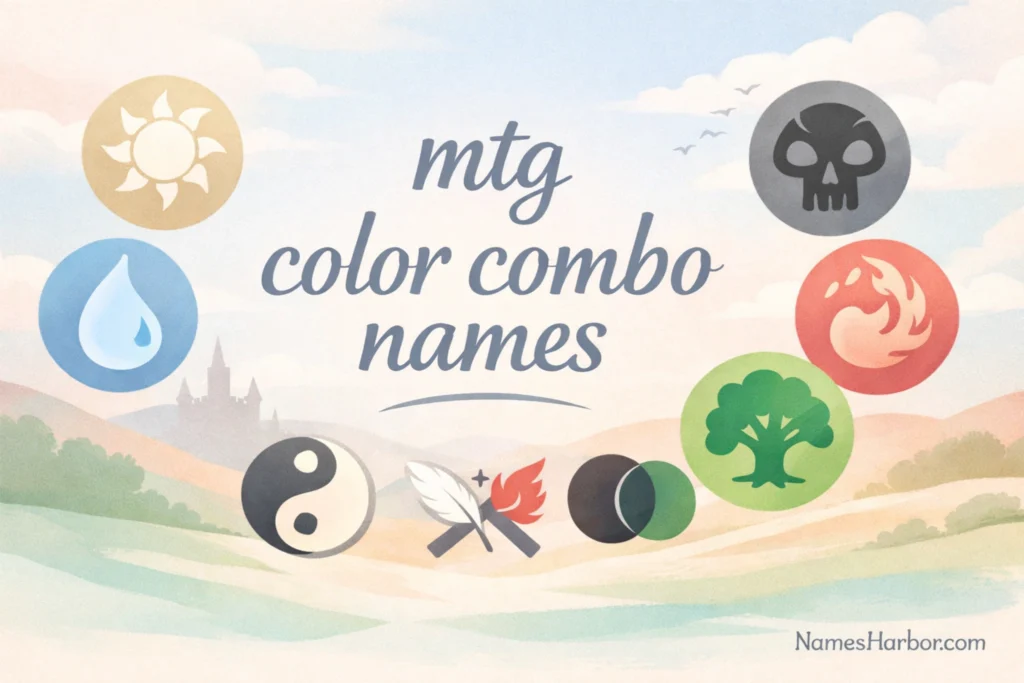
MTG revolves around five core colors:
- White (Plains): Focuses on order, protection, and teamwork.
- Blue (Islands): Centers on knowledge, manipulation, and control.
- Black (Swamps): Deals with ambition, sacrifice, and power at any cost.
- Red (Mountains): Embodies chaos, aggression, and speed.
- Green (Forests): Emphasizes growth, nature, and raw strength.
Each color represents not just a playstyle but a philosophy. When colors combine, they form alliances that reflect shared strengths and compensate for weaknesses. Understanding these combinations is essential for crafting decks that are both thematic and competitive.
Two-Color Combos: The Guilds of Ravnica
Two-color combinations, known as guilds, are foundational in MTG strategy. Each has a unique identity and is often named after a Ravnica guild:
| Color Combo | Guild Name | Playstyle |
| White + Blue | Azorius | Control, law, and structure |
| Blue + Black | Dimir | Deception, milling, and disruption |
| Black + Red | Rakdos | Aggression, chaos, and sacrifice |
| Red + Green | Gruul | Aggression, ramp, and large creatures |
| Green + White | Selesnya | Tokens, synergy, and growth |
| White + Black | Orzhov | Life drain, control, and endurance |
| Blue + Red | Izzet | Spells, chaos, and combos |
| Black + Green | Golgari | Graveyard synergy and resilience |
| Red + White | Boros | Aggression, combat, and speed |
| Green + Blue | Simic | Growth, adaptation, and card advantage |
Each two-color combo has a unique “personality” reflected in deckbuilding and gameplay, making it easier for players to match colors with their preferred style.
Three-Color Combos: The Shards and Wedges
Three-color combinations create more complexity and strategy. They are either shards (one color is dominant) or wedges (one color is absent).
Shards:
- Esper (White, Blue, Black): Artifact synergy and control.
- Grixis (Blue, Black, Red): Spells and destruction-based decks.
- Jund (Black, Red, Green): Aggressive midrange with big creatures.
- Naya (Red, Green, White): Creature-focused and aggressive.
- Bant (White, Blue, Green): Harmony, ramp, and defensive strategies.
Wedges:
- Abzan (White, Black, Green): Endurance, resilience, and value.
- Jeskai (Blue, Red, White): Spells, tempo, and clever interactions.
- Sultai (Black, Green, Blue): Graveyard manipulation and card advantage.
- Mardu (Red, White, Black): Aggressive and disruptive.
- Temur (Green, Blue, Red): Creature power, ramp, and adaptability.
Four-Color Combos: The Rare but Powerful
Four-color combinations are less common and often harder to balance due to mana constraints. Each is usually named by the color it excludes:
- Sans White: Grixis + Green, often called “Glint” or “No-White.”
- Sans Blue: Naya + Black, known for aggressive strategies without counterplay.
- Sans Black: Bant + Red, often called “Yore” decks focusing on growth and synergy.
- Sans Red: Esper + Green, defensive with artifacts and ramp.
- Sans Green: Jeskai + Black, control-heavy with spells and disruption.
Four-color decks offer massive versatility but demand careful mana base construction and strategic planning to avoid being “color-screwed.”
Five-Color Combos: The Ultimate Spectrum
Five-color decks use all five colors, embracing maximum flexibility. They’re often called “Chaos” or simply “Five-Color” decks.
Strengths:
- Access to all spells, creatures, and effects in the game.
- Creative synergy opportunities.
- Powerful multicolor legendary creatures.
Challenges:
- Extremely sensitive to mana base mismanagement.
- Deck consistency can be an issue.
- Requires advanced understanding of color interactions.
Examples of five-color strategies include “Goodstuff” decks, which combine the strongest cards from all colors, and tribal decks that include multicolor synergy.
How Color Combos Affect Strategy
Choosing the right color combination is crucial to winning games. Here’s how combos impact gameplay:
Aggression vs Control: Red and White lean aggressive, while Blue and Black lean control. Combining them balances playstyle.
Resource Management: Green brings ramp, Blue provides card draw, balancing tempo and resources.
Synergy: Certain combos naturally complement each other, e.g., Golgari (Black + Green) thrives on graveyard interactions.
Deck Identity: Color combinations often define deck philosophy, helping players identify and stick to a consistent strategy.
Practical Tips for Choosing the Right Color Combo
Identify your playstyle: Aggressive, control, midrange, or combo.
Start with two colors: Easier to manage and build synergy.
Expand gradually: Try three-color decks once you understand your preferred mechanics.
Mana management: Always plan for a consistent mana base. Dual lands and mana-fixing cards are essential.
Consider synergy over power: Some combos look strong on paper but fail without synergy.
Iconic MTG Color Combo Decks
Over the years, many MTG color combo decks have become iconic:
- Azorius Control (White + Blue): Known for lock pieces and board control.
- Jund Midrange (Black + Red + Green): Famous for aggression and removal.
- Temur Ascendancy (Red + Green + Blue): Utilizes creature spells for explosive combos.
- Boros Aggro (Red + White): Swift, relentless, and easy to pilot.
These decks demonstrate how color combos define gameplay identity and can inspire deckbuilders of all levels.
Common Mistakes When Building Color Combos
Overloading colors: Trying to fit too many colors without proper mana fixing.
Ignoring synergy: Cards may be strong individually but fail in combination.
Underestimating weaknesses: Every combo has a counter; plan for vulnerabilities.
Neglecting curve: Having the right mix of early, mid, and late-game plays is crucial.
Avoiding these mistakes ensures your color combos are both fun and competitive.
How to Name Your Own Color Combo Deck
Naming your deck can be as creative as playing it. Tips include:
- Reflect colors: Use guild or shard inspiration.
- Highlight theme: Name based on strategy or synergy (e.g., “Graveyard Dominance” for Golgari).
- Keep it memorable: Short, catchy, and easy to say.
- Use pop culture references: Clever references make your deck more relatable.
A great name reinforces your deck’s identity and makes it memorable at tournaments.
MTG Color Combo Names in Modern Meta
In the current MTG meta:
- Azorius (White + Blue) remains a strong control choice.
- Jund (Black + Red + Green) dominates midrange formats.
- Temur (Red + Green + Blue) is popular in spell-heavy decks.
- Five-Color “Goodstuff” decks are niche but devastating when optimized.
Understanding color combo names is essential for following trends, deck tech discussions, and tournament strategies.
Conclusion
MTG color combo names are more than just labels-they define playstyles, strategy, and deck identity. From two-color guilds to five-color chaos, every combination offers unique opportunities. Knowing these names and what they represent gives players a strategic advantage and helps in building decks that are both competitive and fun.
Call-to-Action: Start experimenting with color combos today! Identify your favorite colors, explore guilds and shards, and unleash your inner Magic strategist. The perfect combo is waiting for you.
FAQs
What are MTG color combo names?
They are the nicknames or identities given to specific combinations of MTG colors, often reflecting playstyle and strategy.
Which color combo is best for beginners?
White + Red (Boros) is great for beginners due to aggressive and straightforward gameplay.
What is a shard in MTG?
A shard is a three-color combo with one primary color at the center of the strategy.
Can I play all five colors effectively?
Yes, but it requires advanced mana fixing and understanding of color synergy.
How do color combos affect deckbuilding?
They determine the playstyle, strategy, and card selection for the deck.