
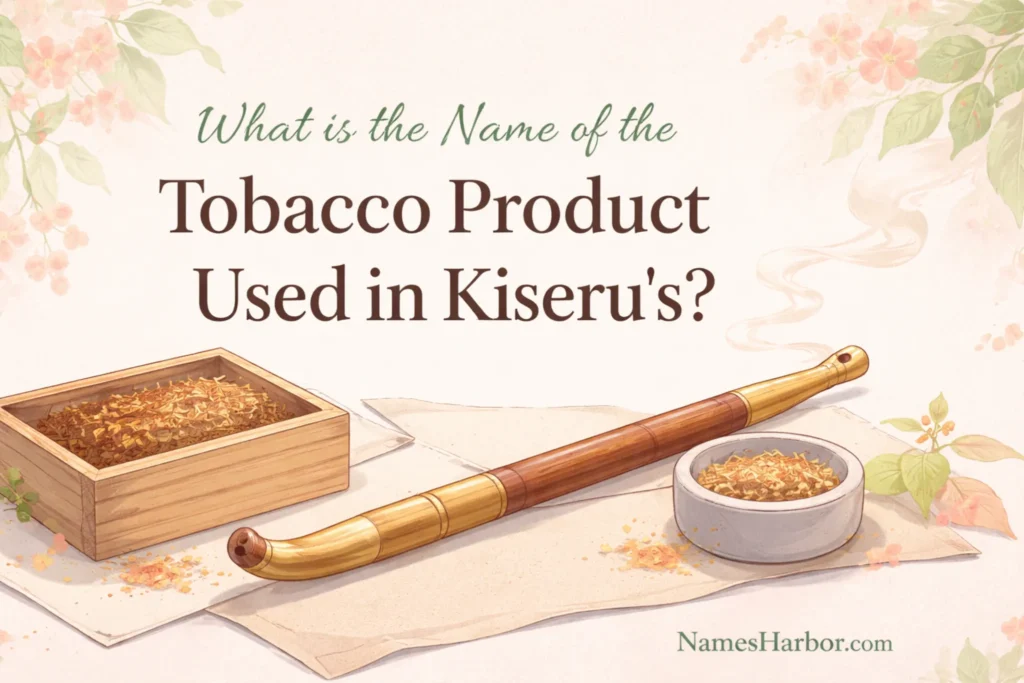
The kiseru is a unique smoking pipe deeply rooted in Japanese history, known for its long, slender design and cultural significance. Used for centuries, this traditional pipe has a distinctive appeal, often associated with tea ceremonies, samurai culture, and Japanese art.
But have you ever wondered what type of tobacco is used in kiseru pipes? This article will dive into the tobacco product typically used with a kiseru and explore its history, variations, and cultural relevance.
What is a Kiseru?
The kiseru is a type of smoking pipe traditionally used in Japan. It has a long, thin metal stem with a small bowl at the end. Historically, it was used by samurai and commoners alike. Kiseru pipes were particularly popular during the Edo period (1603-1868), and they are often depicted in traditional Japanese artwork.
Though small in size, the kiseru allows for a slow, meditative smoking experience, which is a stark contrast to modern-day smoking methods. The pipe’s long, thin design allows the smoker to hold the pipe comfortably while enjoying the smooth, relaxing effects of tobacco.
The Tobacco Product Used in Kiseru
The tobacco product typically used in a kiseru pipe is known as “kiseru tabako” (キセルタバコ). This tobacco is finely shredded and often contains a blend of tobacco leaves, with a specific preparation method tailored to the kiseru smoking experience. The tobacco is lighter than typical pipe tobacco and is designed to burn slowly, allowing for a more prolonged smoking session.
It’s important to note that the type of tobacco used can vary, but traditionally, Japanese tobacco is favored for use in kiseru pipes. Here’s a closer look at the different types of tobacco that have been used with kiseru pipes:
Japanese Tobacco (Wazuka Tobacco)
Wazuka tobacco, grown in regions like Wazuka in Kyoto, is highly prized for its rich flavor and smooth smoke. Historically, this tobacco was the primary choice for kiseru users. The leaves are finely shredded to a consistency that is perfect for the small bowl of the kiseru pipe. Wazuka tobacco is known for its subtle sweetness and aromatic qualities, making it ideal for the slow, contemplative smoking style associated with the kiseru.
Blended Tobacco
In modern times, kiseru tobacco blends are more common. These blends often include a mix of Japanese tobacco and imported varieties, such as Virginia or Burley. The blend is crafted to provide a balanced smoke that complements the kiseru’s unique design. Many of these modern blends are available in fine shredded cuts, allowing for easy loading into the pipe.
Shredded Tobacco Leaves
Traditionally, shredded tobacco leaves are used in the kiseru pipe, often prepared by hand to ensure the right consistency for burning. This method allows for a more customized smoking experience, as individuals can adjust the amount and type of tobacco used in their kiseru.
The Cultural Significance of Kiseru Tobacco
Kiseru tobacco is not just about smoking; it’s about engaging in a ritual that reflects the cultural and philosophical values of Japan. The slow pace of kiseru smoking aligns with the Zen Buddhist practice of mindfulness, where each inhale is an opportunity for meditation and reflection.
In the past, kiseru pipes were used in tea ceremonies and were associated with high social status, particularly among the samurai class. The tobacco used in these pipes was often chosen for its purity and high quality, reflecting the importance of the smoking experience itself.
The Zen of Smoking: Mindfulness and Reflection
Kiseru smoking is deeply connected to the concept of mindfulness. The slow, deliberate act of smoking from a kiseru encourages the smoker to focus on the present moment, making it a form of meditation. The process of preparing the tobacco, lighting the pipe, and inhaling the smoke all become part of a calming ritual that promotes relaxation and contemplation.
How to Smoke a Kiseru: A Step-by-Step Guide
Using a kiseru pipe requires a certain level of skill and attention. The process is different from that of modern smoking methods, and it can be seen as a form of art. Here’s how to smoke a kiseru pipe:
Prepare the Tobacco
Start by shredding or selecting the tobacco for your kiseru pipe. Ensure it is finely shredded to fit into the small bowl of the pipe. Traditional kiseru tobacco comes in finely shredded pieces, but modern blends may require additional preparation.
Pack the Pipe
Carefully pack the tobacco into the pipe’s small bowl. The tobacco should not be packed too tightly; it needs to be loose enough to allow for an even burn. A well-packed kiseru will burn slowly, providing a longer and more enjoyable smoking experience.
Light the Tobacco
Use a match or lighter to carefully light the tobacco. Since the bowl is small, it’s important to allow the tobacco to ignite evenly. This step is crucial in ensuring a smooth, slow burn.
Enjoy the Smoke
Take slow, deliberate puffs from the kiseru. The process of smoking is meant to be slow and relaxing, encouraging reflection and mindfulness.
Clean the Pipe
After smoking, it’s essential to clean the kiseru pipe thoroughly to maintain its functionality. The pipe should be cleaned regularly to prevent build-up in the bowl and stem.
Why Kiseru Tobacco is Different from Modern Pipe Tobacco
Kiseru tobacco is specifically designed for slow, meditative smoking. Unlike modern pipe tobacco, which is often packed and lit for quick, intense smoking sessions, kiseru tobacco burns slowly and evenly. This characteristic is essential for the traditional kiseru smoking experience, which emphasizes mindfulness and relaxation over rapid consumption.
Additionally, the finely shredded consistency of kiseru tobacco allows for a smoother burn, preventing the pipe from overheating. This differs from traditional pipe tobacco, which may be coarser and require more frequent packing adjustments during a smoke.
Modern-Day Use of Kiseru: A Resurgence of Interest
While kiseru smoking was once associated with the upper classes and traditional Japanese culture, it has experienced a resurgence in recent years. As people seek more mindful and nostalgic experiences, kiseru smoking offers a way to connect with the past and enjoy a slower, more deliberate form of smoking.
Many modern smokers are rediscovering the art of kiseru smoking as a way to relax and unwind. The pipes are often handcrafted and come in unique designs, making them both functional and collectible. For those who appreciate the artistry of smoking pipes, the kiseru provides an authentic and deeply personal experience.
Conclusion
Kiseru smoking is not just about the tobacco product used; it’s about immersing oneself in a centuries-old tradition that values patience, mindfulness, and artistry. The tobacco used in kiseru pipes, traditionally finely shredded Japanese tobacco or modern blends, plays an important role in this experience, providing a smooth, slow burn perfect for reflection and relaxation.
As the kiseru continues to captivate enthusiasts around the world, its tobacco remains a key component of this ancient ritual. Whether you’re a history buff, a collector, or someone interested in a unique smoking experience, the kiseru offers a journey into Japanese culture and tradition.
FAQs
What is the name of the tobacco used in kiseru?
The tobacco used in kiseru pipes is called “kiseru tabako” (キセルタバコ), traditionally shredded Japanese tobacco.
Can I use regular pipe tobacco in a kiseru?
Yes, but it is best to use finely shredded tobacco to ensure an even, slow burn. Traditional kiseru tobacco is specifically designed for this type of smoking pipe.
Where can I buy kiseru tobacco?
Kiseru tobacco can be purchased from specialty Japanese tobacco shops or online stores that cater to traditional smoking products.
How long does a kiseru smoking session last?
A kiseru smoking session can last from 10 to 30 minutes, depending on the amount of tobacco used and the smoker’s pace.Is kiseru smoking a form of meditation?
Yes, many people view kiseru smoking as a form of meditation, emphasizing mindfulness and reflection with each slow inhale.